Signs of Relapse Before It Happens

A big misconception about relapse is that it happens suddenly. Many people picture relapse as a single moment. A drink being poured, a pill being swallowed, or a drug being used after a period of sobriety. When really, relapse often begins long before the substance ever enters the picture.
Relapse is usually a process. It starts with subtle shifts in our thinking, our emotions, our routines, and our behaviors. If we learn to recognize these warning signs early enough, we have a much better chance of stopping the cycle before it gains too much momentum.
Whether you're in recovery yourself or you love someone who is, understanding the signs of relapse can make all the difference between staying on track and backsliding into old patterns.
Some good news? Relapse is not inevitable. Awareness creates opportunity, and when we know what to look for, we can take action before things spiral out of control.
Isolation Begins to Feel Comfortable
One of the first warning signs I experienced in my own recovery was pulling away from people who supported me. Recovery is rooted in connection, and addiction can really thrive in secrecy.
When someone begins isolating themselves, skipping meetings, avoiding phone calls, withdrawing from family, or distancing themselves from supportive friends, it can be a major red flag.
They may convince themselves they simply need space or that nobody understands what they're going through. In reality, isolation creates the perfect environment for addictive thinking to go unchecked.
If you notice yourself withdrawing, make it a point to reconnect. Reach out to someone safe. Attend a meeting. Schedule time with supportive people even if you don't feel like it. Sometimes the last thing we want to do is exactly what we need to do.
Romanticizing the Past
Addiction has a funny way of editing memories.
When we're struggling, our minds often replay the good times associated with using while conveniently forgetting the consequences. Suddenly, we remember the parties but not the panic attacks. We remember the temporary escape but not the devastation. We remember the excitement but not the broken relationships, financial struggles, legal trouble, or emotional pain.
This mental trap can be incredibly dangerous because it creates the illusion that using wasn't really that bad.
When you catch yourself romanticizing your past substance use, take an honest inventory. Play the tape all the way through. Don't stop at the first drink or drug. Remember where it eventually led and why you chose to get sober in the first place.
Increased Irritability and Mood Swings
Recovery doesn't make us immune to stress, frustration, sadness, or anger. When emotional discomfort starts building without healthy coping skills, relapse risk increases significantly.
You may notice yourself becoming easily frustrated, snapping at loved ones, feeling restless, anxious, depressed, or emotionally overwhelmed. Sometimes, these feelings can appear weeks or even months before an actual relapse occurs.
Many people in recovery become uncomfortable when difficult emotions surface because substances were once their primary coping mechanism.
Pay attention when your emotions feel out of control. Rather than stuffing them down, acknowledge them. Journal. Write that shit down. Talk with someone you trust. Seek professional help if needed. Emotions are temporary, but unhealthy reactions to them can have lasting consequences.
Neglecting Recovery Routines
Recovery requires maintenance.
Just as a car needs regular oil changes to keep running smoothly, our recovery needs consistent care. When people begin skipping the habits that helped them get sober, relapse often follows.
Maybe you stop journaling. Maybe you stop attending meetings. Maybe prayer, meditation, exercise, therapy, or check-ins with your support system slowly disappear from your schedule.
It rarely happens all at once. Usually, it starts with "just this once" until eventually the routine is gone altogether.
If you notice yourself drifting from the practices that support your sobriety, take it seriously. Return to the basics. The things that got you sober are often the things that keep you sober.
Overconfidence in Recovery
This one surprises many people.
While confidence can be healthy, overconfidence can become dangerous. After accumulating some clean time, it's easy to believe you've completely outgrown addiction.
You’ll start thinking:
"I've got this under control now."
"One drink wouldn't hurt."
"I don't need meetings anymore."
"Things are different now."
Addiction doesn't disappear simply because time has passed. Recovery requires ongoing awareness and humility.
There is nothing weak about continuing to protect your sobriety. In fact, some of the strongest people I know are those who never stop investing in their recovery, regardless of how much time they have accumulated.
Increased Stress Without Healthy Outlets
Life doesn't stop happening because we get sober.
Financial problems arise. Relationships struggle. Grief happens. Jobs become stressful. Unexpected challenges appear.
When stress begins piling up and healthy coping strategies aren't being used, many people start feeling emotionally trapped. Old thoughts about escaping through substances can begin creeping back in.
If you're feeling overwhelmed, don't wait until you're drowning. Ask for help early. Prioritize self-care. Take breaks when needed. Recovery isn't about handling everything perfectly. It's about learning healthier ways to navigate life's difficulties.
Dishonesty Starts Creeping In
Addiction and dishonesty often go hand in hand.
When someone begins hiding things, minimizing problems, making excuses, or becoming defensive about their behavior, it can indicate deeper struggles beneath the surface.
This doesn't necessarily mean someone is actively using, but it may mean they're moving away from the honesty that supports long-term recovery.
One of the most powerful relapse prevention tools is rigorous honesty. Be honest with yourself. Be honest with your support system. Be honest about cravings, struggles, and setbacks before they become larger problems.
Secrets keep us sick.
Cravings Become More Frequent
Experiencing cravings doesn't mean you've failed.
Cravings are normal. They can occur years into recovery. The concern isn't necessarily the craving itself — it's what happens next.
When cravings increase in frequency or intensity, it's important to pay attention rather than pretend they don't exist.
Many people relapse because they ignore warning signs and hope they'll simply disappear. Instead, acknowledge the craving. Talk about it. Use the coping skills you've learned. Reach out for support.
A craving loses much of its power when it's brought into the light.
What To Do When You Notice These Warning Signs
If you're noticing these signs in yourself, don't panic.
Having warning signs doesn't mean relapse is guaranteed. In fact, recognizing them is often a sign that you're becoming more self-aware. Take action immediately.
Reach out to someone you trust. Attend a meeting. Call your sponsor. Schedule a therapy appointment. Return to your recovery routines. Prioritize sleep, nutrition, and self-care. Be honest about what you're experiencing.
If you're noticing these signs in someone you love, approach them with compassion rather than judgment. Let them know you're concerned. Listen without criticizing. Encourage them to reconnect with their recovery support system.
Remember that you cannot force someone into recovery, but you can offer support, encouragement, and understanding.
Recovery isn't about being perfect. It's about staying aware, staying honest, and reaching out when life becomes difficult.
If you're struggling right now, know that you're never alone. If you've noticed some of these signs within yourself, take action today rather than tomorrow. And, if you've already experienced relapse, remember that one setback does not erase your progress.
Recovery is not defined by never falling. It's defined by your willingness to keep getting back up. You got this shit <3
Looking for Additional Support?
While articles like this can provide education and insight, sometimes we need personalized support to help us work through the unique challenges we're facing.
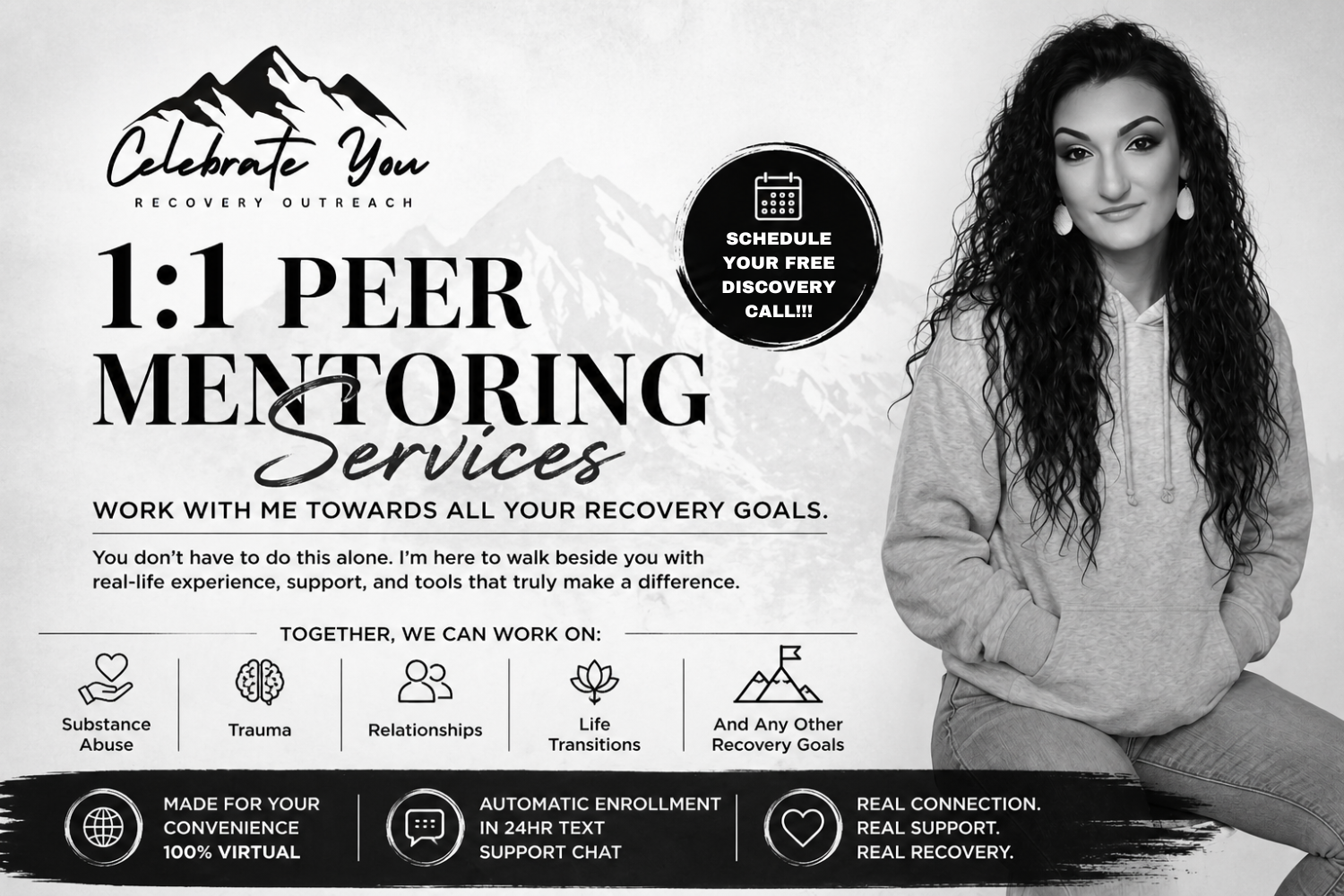
Work With Me 1:1
If you're feeling stuck, struggling with relapse, navigating early recovery, or simply looking for someone who understands the journey firsthand, I invite you to schedule a free discovery call with me!
As someone who has personally battled addiction, experienced relapse, and ultimately found long-term recovery, I understand how overwhelming the process can feel. During our free virtual discovery call, we'll have the opportunity to get to know one another, discuss where you're currently at in your recovery journey, identify challenges that may be holding you back, and determine whether my mentoring services would be a good fit for your needs.
My goal is to provide a supportive, judgment-free space where you can be honest about your struggles, gain clarity on your next steps, and begin building a roadmap toward the life you want to create.
CLICK HERE TO SIGN UP
Explore Our Digital Library!
I understand that one-on-one support isn't for everyone, and that's okay. That's exactly why I've created a growing digital resource library filled with practical tools designed to help you navigate recovery at your own pace.
One resource I highly recommend is my Relapse Prevention Bundle. This collection of worksheets and exercises was personally created by me using both my professional experience and my own lived experience in recovery. Every worksheet is designed to help you identify triggers, recognize warning signs, strengthen coping skills, create action plans, and build a relapse prevention strategy that works for your life.
Instead of wondering what to do when challenges arise, you'll have step-by-step tools that help you stay focused, organized, and prepared before problems have the chance to escalate. These worksheets break down relapse prevention into manageable pieces, making it easier to understand your patterns and take proactive action when warning signs appear.
The best part? Once you purchase the bundle, it's yours forever. You'll receive immediate access to download the materials and can print the worksheets as many times as you need throughout your recovery journey. Whether you're revisiting them after a difficult week, using them during a stressful season of life, or simply checking in with yourself, you'll always have these tools available whenever you need them. Click the link below to grab yours!

I personally created this Relapse Prevention Worksheet Bundle based on the tools, exercises, and practices that helped me through my own recovery journey and ultimately supported my long-term sobriety — many of which I still use today.
This bundle covers the basics while giving you the flexibility to tailor the worksheets to your own recovery, triggers, goals, and needs. It’s a one-time purchase, and you can print the worksheets as many times as you need, working through them one by one and revisiting the steps whenever you need a little extra support.
Relapse is not a requirement on the road to recovery. However, this prevention bundle equips you with the knowledge and skills to navigate the challenges that may arise.
Topics Discussed Include:
-Taking personal inventory
-Understanding relapse
-Revisiting and reflecting upon relapse
-The stages of change
-The feelings wheel
-Identifying emotions
-Mental health check-ins
-Exploring the principle of gratitude
-28 day gratitude challenge
-Understanding and identifying triggers
-Habit tracking
-Urge tracking
-Coping with cravings
-How to self-soother
-Mindfulness and grounding techniques
-Cognitive Distortions
-The ABC’s
-“Playing the tape.”
-Step-by-step help generating personal prevention plan
-Decision Making
-Smart Goals
-Sober Activity Planning
-Overcoming Boredom
-Reestablishing worth and core values
-Daily affirmations
-Overcoming fear
-Honest self-reflections
Upon purchase, you'll receive an instant pdf file download, granting you the freedom to print unlimited copies for your personal use. Formatted in the standard A4 size, these worksheets are designed for seamless integration into your recovery routine.
These worksheets should not be used in place of professional advice from a mental health professional.
© ALL DESIGNS are copyrighted and property of Celebrate You Recovery Outreach. This product is intended for PERSONAL USE ONLY. Any duplication or resell of this product is prohibited.