Why Sobriety Ends Relationships (And Why That’s Okay)
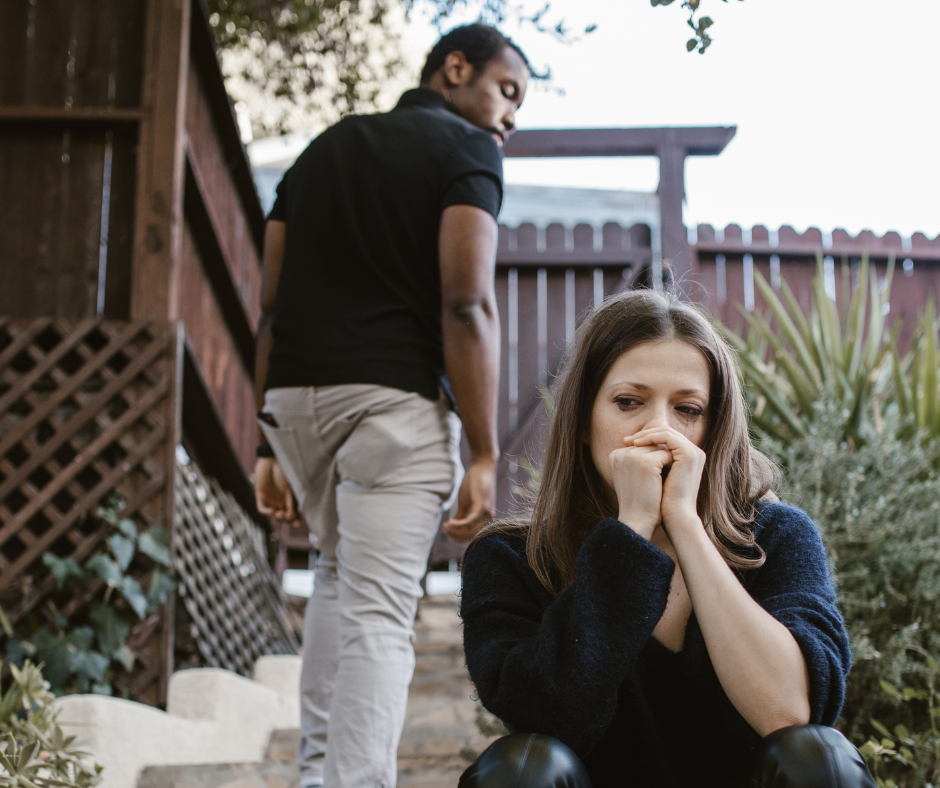
Sobriety does change a lot of things….. and that’s kinda the entire point.
We do not get sober to stay the same person. We do not fight our way out of addiction just to continue living the exact same life, carrying the same behaviors, accepting the same treatment, and staying in the same environments that contributed to our destruction in the first place.
Recovery is supposed to change us. It is supposed to shift our thinking, clear our judgment, rebuild our identity, and force us to reevaluate the people and situations around us.
One of the harsher realities is that sobriety often changes many relationships too. Sometimes it changes them completely, or ends them all together. While that can be heartbreaking and painful, sometimes it’s very much necessary.
One of the biggest gifts sobriety gives us is clarity. Addiction has a way of clouding our judgment. It can keep us stuck in survival mode where our focus becomes simply getting through the day, numbing emotions, chasing relief, or avoiding pain.
In active addiction, many of us tolerate things we shouldn’t tolerate because our priorities were different. We overlook red flags. We stay in unhealthy environments. We accept treatment that today we just would never allow.
We notice the relationships that only existed around drinking, using, partying, or chaos. We begin realizing some people only loved the version of us that had no boundaries. We start recognizing patterns of manipulation, disrespect, enabling, or even emotional neglect that we previously excused. Sobriety shines a light on everything.
Once the lights are on, it becomes very difficult to turn them off.
Sobriety also completely rebuilds your confidence.
At first, you’re just trying to get through one day at a time. You are relearning who you are without substances. Then over time, you really begin understanding your worth. That confidence changes what you tolerate.
You begin valuing yourself differently. You stop chasing people who cannot meet you halfway. You stop accepting breadcrumbs. You stop abandoning yourself to keep relationships alive. You stop making excuses for behavior that threatens the life you fought so hard to rebuild.
This applies to romantic relationships, friendships, and family relationships alike. Regardless of the title someone holds in your life, people who genuinely care about you are going to respect your sobriety.
They are not going to place you in situations where you have to fight for your life. They are not going to make you choose between your recovery and their comfort. They are not going to pressure you, tempt you, guilt you, or minimize your struggles. They are not going to treat your sobriety like it’s an inconvenience.
Friendships can be hard to navigate in recovery because not everyone who means you harm is obvious. People can genuinely care about you and still not be good for your sobriety.
Maybe they say they support your recovery, but their actions tell a different story. They continue socially drinking around you, inviting you to bars, encouraging environments that no longer align with your life. They may not have bad intentions, but people who mean you no harm are not always people who mean you good either.
It’s okay to distance yourself. It does not have to end in cruelty, anger, or some dramatic fallout. Sometimes it’s as simple as understanding that you cannot continue spending your time in places, environments, and circles that pull you away from the person you are trying to become.
This is something I think many people outside of recovery do not always understand. Sobriety is not simply avoiding alcohol or substances. For most of us, sobriety quite literally is life or death. So, when someone continuously places that at risk, it matters.
One question I personally wrestled with during my own recovery journey was whether being sober meant my future partner needed to be sober also. My answer was no.
I personally do not believe someone has to live sober simply because I do. However, I do believe they need to understand my story. They need to understand the path I went down. They need to understand the struggles I had tied to substances and alcohol. Most importantly, they need to respect me enough to never intentionally trigger me, tempt me, or place me in situations that threaten my well-being.
Sobriety gives us the ability to hold different boundaries. It teaches us that protecting ourselves is not selfish. If someone repeatedly disrespects those boundaries, threatens our recovery, or creates an environment harmful to our well-being, it becomes our responsibility to walk away.
I know that sounds easier than it actually is because I personally struggled with this. I did not walk away. Even when there were red flags. Even when my sobriety was not being respected. Even when deep down I knew the relationship was becoming unhealthy.
Back in 2019, I was in a long-term relationship with someone I swore was “the one” he checked all the boxes. Except for one…he was using cocaine behind my back.
He would come home high and act like I was stupid. He would lie about what he was doing. He minimized it. He made excuses. He said that essentially because it was not being brought home or around me that it shouldn’t matter what he was doing.
It mattered to me and was EXTREMELY triggering.
Somewhere down the line, despite everything I had worked for, I ended up doing cocaine with him. Eventually, it did come into our home, and it became one more thing that further damaged and ultimately ended the relationship.
Looking back now, I wish I had the strength to walk away sooner. I wish I had not felt like I was missing out. I felt like I was missing out on him. Missing out on the excitement. Missing out on the partying. Missing out on experiences. Even though I very much knew where all of that lead.
I felt like I was watching everyone else live while I was trying to do the right thing. There was almost this fear that choosing sobriety meant losing something. Looking back now, I realize I was not missing out at all. I was risking everything.
That is a lesson I had to learn the hard way. You cannot go back and change choices. You cannot rewrite chapters. You cannot turn back time and choose differently. Trust me, I have wished for that too.
What I can do is take the lesson and pass it on to someone else. Which is exactly why I am sharing this now. If you are in recovery and reading this, I want you to know that it is okay if relationships change.
It’s okay if certain people no longer fit into your life. It is okay if sobriety creates distance. It is okay to leave situations that threaten your peace. It is okay to choose yourself.
You are not selfish for protecting your recovery. You are not difficult for having boundaries. You are not asking for too much by wanting your sobriety respected. You do not owe access to anyone who repeatedly puts you at risk.
Sobriety ends relationships sometimes. Not because sobriety ruined them, but because sobriety reveals them. It shows us who is willing to grow with us, who respects our healing, and who only fits into chapters we outgrew.
Losing people hurts, but losing yourself hurts more.
Stay Sober. Stay Humble. Stay Strong. You’ve got this shit <3