Navigating the Rocky Road: Understanding and Coping with Relapse in Recovery

One of the most difficult and disheartening aspects of this journey is the possibility of relapse. Relapse is the return to addictive behaviors after a period of abstinence, and it can be a painful and frustrating experience for those in recovery and their loved ones.
“The sun will rise & we will try again.”
Relapse is a common and complex occurrence in the world of addiction recovery. It's important to note that relapse is not a sign of failure, but rather it is often considered a part of the recovery process.
Addiction is a chronic condition, and relapse is, unfortunately, a possibility for many individuals, even after they have achieved significant periods of sobriety. Several factors can contribute to relapse in recovery. It is crucial to recognize these triggers and address them proactively:
1. Stress: Life stressors, whether related to work, family, or personal issues, can increase the risk of relapse. Finding healthy ways to cope with stress is vital.
2. Cravings: Persistent cravings for the substance of addiction can be overwhelming, especially during early recovery. Learning to manage and overcome these cravings is essential.
3. Emotional Turmoil: Unresolved emotional issues, such as trauma, grief, or depression, can lead to relapse if not adequately addressed.
4. Social Influences: Returning to environments where substance use is prevalent or spending time with individuals who still use can make it difficult to maintain abstinence.
5. Complacency: As individuals achieve some stability in their recovery, they may become complacent, thinking they no longer need to be as vigilant about their sobriety.
Dealing with relapse in recovery is a challenging and emotional process, but it's important to approach it with compassion and resilience.
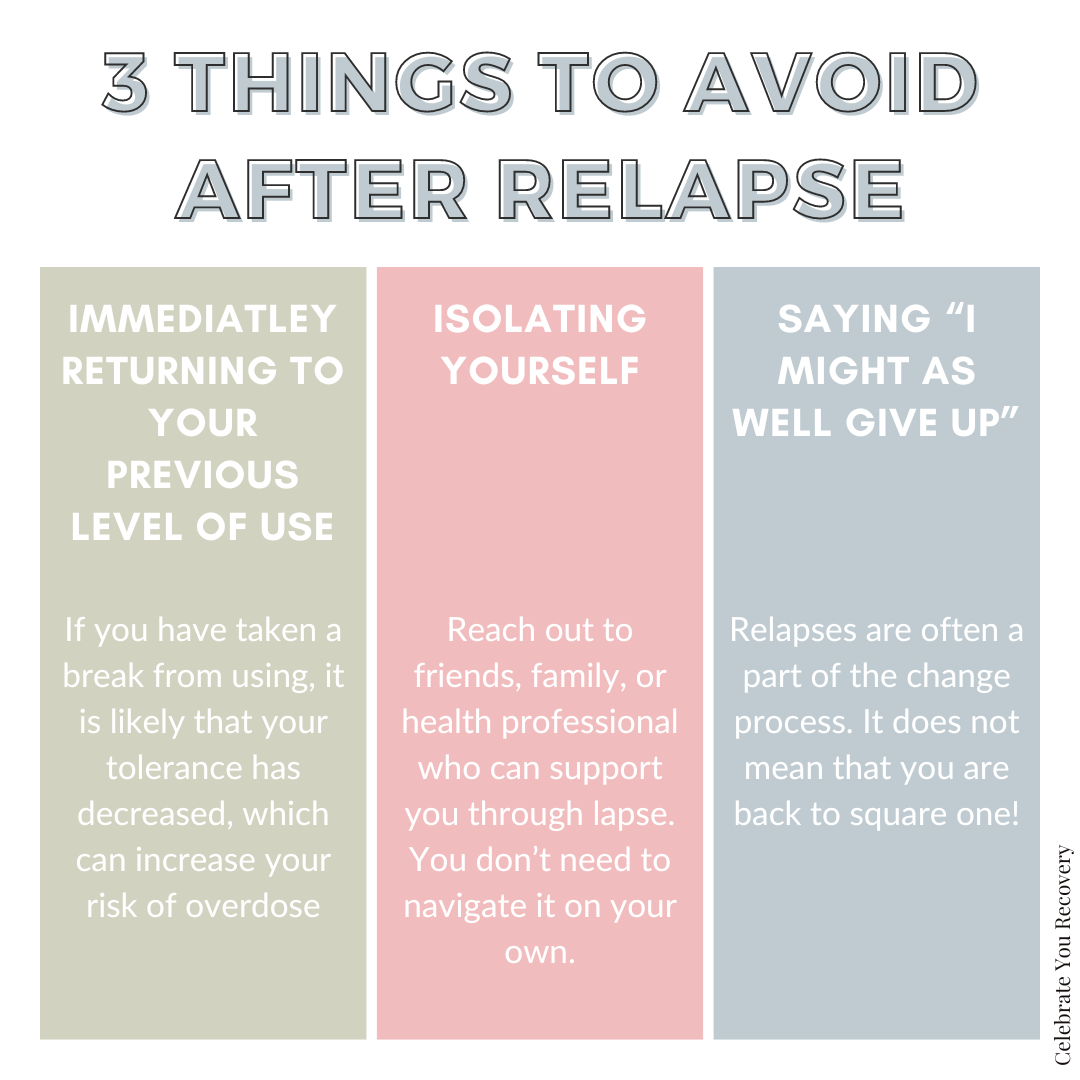
1. Self-Compassion: Understand that relapse is a part of the recovery journey for many individuals. Be kind to yourself and avoid self-criticism.
2. Seek Support: Reach out to your support network, including sponsors, therapists, and friends in recovery. Open and honest communication can help you process your feelings and experiences.
3. Reevaluate Your Treatment Plan: If you've relapsed, it may be time to reassess your recovery plan. Consider whether changes are needed, such as modifying your treatment approach or therapy.
4. Identify Triggers: Reflect on the circumstances and emotions that led to relapse. Understanding your triggers can help you develop coping strategies to prevent future relapses.
5. Reaffirm Your Commitment: Revisit your reasons for getting sober and reaffirm your commitment to recovery. Understanding your "why" can provide motivation and direction.
My sobriety journey has been anything but a straight shot. Once I made the decision to really start making an effort to get sober, there was nothing cut and dry about it.
I went to jail. Relapsed. Was homeless on the streets. Relapsed. Went to a behavioral therapeutic boot camp. Relapsed. Went to detox and several different inpatient facilities. Relapsed. Moved into a women’s shelter and had my daughter. Relapsed. Was sober for over a year. Relapsed. Graduated treatment court and was taken off of probation. Relapsed. I have 4 drinking and driving charges and several possession charges. I clearly wasn’t able to get the sober thing down on my first try.
When relapse occurred I used it as a catalyst and excuse to really fuck shit up. My mentality immediately went to, “I already screwed up. It can’t get any worse.” If there’s anything you take away from all of this, let it be - do not fall into the same mindset that I did.
It CAN get worse. And it usually does. Don’t allow yourself to go there. Take a breath. Forgive yourself for being human. Accept the choices that have been made. Rededicate yourself to shaking it off and moving the fuck on from it.
You don’t have hit rock bottom to be deserving of a sober life. Anyone with the desire to do better for themselves, and want better for themselves, has every right and ability to achieve it.
If you are like me, and it seems like recovery just isn’t fully obtainable for you - it is. It doesn’t matter how many times you fall on your face, pick yourself back up. The ability to keep showing up when you want to quit is what is going to lead you to your success. I promise!
1 day sober, 6 months sober, or 10 years sober - we all remain available to come crashing back down in the blink of and eye. Remain mindful.
This does not go to say that every addict is bound to stumble and destined to fail once they get sober. This is me just coming to terms with what I have personally learned along the way.
Relapse doesn’t send you back to the very beginning. It doesn’t seal your fate. It does not define you. It does not disregard all the progress you’ve made up until that point.
Any day sober is one worth celebrating! This shit is not easy. Don’t try to convince yourself or allow others to tell you differently. Days where weakness and temptation sneak up on you are still not without purpose. Mistakes only give us the opportunity to grow and learn.
Every relapse of mine, I learned even more about myself and my addiction. Each time I implemented and tried new things that I had not the time prior.
The longer you stay dedicated to getting better, the more intimately you get to know yourself. The more you are honest with yourself and willing to make changes to prevent a mirroring downfall, you find yourself right back on track.
Don’t let anyone, including yourself, shoot you down. Do not be defeated. It takes incredible strength and courage to keep going. But you can do hard things!
Preventing relapse is an ongoing effort, and there are several strategies to help maintain long-term recovery:
Work with a therapist or counselor to create a comprehensive relapse prevention plan that includes coping strategies, healthy habits, and emergency contacts.
Regularly attend support group meetings or therapy sessions to stay connected with your recovery community.
Prioritize self-care by eating well, exercising, getting enough sleep, and managing stress in healthy ways.
Steer clear of environments or people that may trigger cravings or jeopardize your recovery.
Educate yourself about addiction, recovery, and relapse to stay informed and prepared.
Relapse in recovery is a challenging and complex reality for many individuals working to overcome addiction. It's important to remember that relapse does not equate to failure, but rather a setback in the journey toward lasting sobriety.
By understanding the causes of relapse, coping with it proactively, and implementing preventive strategies, you can increase your chances of maintaining long-term recovery.
Recovery is a process, and each day is an opportunity for growth and renewal. No one is ever a lost cause, too far gone, or not worth another try. Your story is not over. Get up again.

Let’s hear your stories! The best way we can continue to learn and grow is from one another. Have you encountered a recent relapse? What were your experiences? What words of advice would you give to someone who slipped up and is having a hard time getting back on track? Drop your thoughts below in the comments!

I personally created this Relapse Prevention Worksheet Bundle based on the tools, exercises, and practices that helped me through my own recovery journey and ultimately supported my long-term sobriety — many of which I still use today.
This bundle covers the basics while giving you the flexibility to tailor the worksheets to your own recovery, triggers, goals, and needs. It’s a one-time purchase, and you can print the worksheets as many times as you need, working through them one by one and revisiting the steps whenever you need a little extra support.
Relapse is not a requirement on the road to recovery. However, this prevention bundle equips you with the knowledge and skills to navigate the challenges that may arise.
Topics Discussed Include:
-Taking personal inventory
-Understanding relapse
-Revisiting and reflecting upon relapse
-The stages of change
-The feelings wheel
-Identifying emotions
-Mental health check-ins
-Exploring the principle of gratitude
-28 day gratitude challenge
-Understanding and identifying triggers
-Habit tracking
-Urge tracking
-Coping with cravings
-How to self-soother
-Mindfulness and grounding techniques
-Cognitive Distortions
-The ABC’s
-“Playing the tape.”
-Step-by-step help generating personal prevention plan
-Decision Making
-Smart Goals
-Sober Activity Planning
-Overcoming Boredom
-Reestablishing worth and core values
-Daily affirmations
-Overcoming fear
-Honest self-reflections
Upon purchase, you'll receive an instant pdf file download, granting you the freedom to print unlimited copies for your personal use. Formatted in the standard A4 size, these worksheets are designed for seamless integration into your recovery routine.
These worksheets should not be used in place of professional advice from a mental health professional.
© ALL DESIGNS are copyrighted and property of Celebrate You Recovery Outreach. This product is intended for PERSONAL USE ONLY. Any duplication or resell of this product is prohibited.
Empower yourself with the ultimate relapse prevention resource. Our relapse prevention worksheets are a dynamic tool that adapts to your specific needs, providing tailored exercises and strategies to fortify your recovery. With its user-friendly format and expert-backed content, you'll gain a deeper understanding of the relapse process and develop a comprehensive plan to overcome obstacles.
55-pages are provided and designed to empower you on your journey towards lasting sobriety. We have thoughtfully crafted this bundle - a culmination of proven strategies that have already helped transform countless lives.

Are you ready to take your personal growth to the next level? Our carefully curated collection of self-improvement and wellness eBooks and workbooks are designed to help you cultivate the mindset, habits, and skills you need to thrive.