If I’ve Stopped Using Other Substances, Can I Still Drink Alcohol?

Probably not.
When I first got sober, I thought I had conquered my biggest challenges. I’d left the hard drugs behind and was finally on a much better path. But there was one thing I kept rationalizing - alcohol. Drinking is everywhere. It’s SO normalized.
Everyone’s journey to recovery is very different. This message is not intended to pass judgement. What works for one person, might not be the answer for the next. The most important part is being able to identify what is and isn’t working.
I know of success stories that include getting clean off of hard drugs, but they still have a casual drink from time to time. I know others who haven’t picked up a drink for years, but still resort to daily THC use to help manage anxiety.
There is no right or wrong way to recover.
Recovery to me means how you are creating balance in all areas of your life, and what you’re doing to properly take care of yourself — mentally, physically, and emotionally. Recovery is the work you put in to becoming the best and new improved version of you.
Substances that hinder you from preforming well, accomplishing goals, deter your relationships, and come with ample amounts of consequences, probably shouldn’t be part of your treatment plan.
There are some people that I know that are able to manage alcohol, but can not do so when it comes other substances.
All I know, is that isn’t me.
Alcohol was never my first choice, so I had myself convinced that alcohol was never a problem.
It was a BIG problem.
I thought that I was doing myself justice when I got clean off of meth and heroin, and made a promise that I would only drink at certain times or in certain social situations.
Tip of the day: If you have to pre-plan or make preparation arrangements for future alcohol consumption it’s probably an indicator that you shouldn’t be drinking.
As I progressed in my recovery journey, I started to see my relationship with alcohol more clearly. The truth was, I was an alcoholic, just in a way that didn’t match the stereotypical image I had in my head. My version of alcoholism didn’t involve bottles hidden around the house or mornings spent drinking just to get by, but it was still harmful in its own way.
Alcohol became my complacent. Even though I wasn’t using it as frequently as I was meth and heroin - it still created just as many problems.
My drinking never made me the social elite that I thought it did. Never failed. If I was drinking, at some point, I’m either pissed, crying, or puking.
One was never enough. Not ever. I didn’t even try to convince myself that I would try to be under restriction. Who the hell wants to do that? Others might enjoy the taste of alcohol and find it to be a causal and refreshing beverage - not me. If I’m drinking it’s solely for the purpose to feel like I’m drinking.
My drinking drastically impacted my ability to use my brain. And, I say that lightly. When I am sober I don’t struggle with my decision making skills. Definitely not to the extent that I have while drinking.
Before the age of 30, I had already accumulated 4 drunk driving charges. That altered the course of my life, forever. The legal and financial costs alone are enough to make anyone cringe. Never mind the constant reminder that I live with - I could have killed someone, or taken my own life. Not to mention, how I still have to navigate life without a license and with 2 kids to take care of. My consequences from drinking lasted long after sobering up. So, just keep that in mind.
Whenever I drank I found it so much more difficult to not go back and relapse on other substances. Get enough alcohol in me, and the first thing I want is a full pack of cigarettes and a bag of dope. Drinking can jeopardize so much, so fast.
Alcohol never failed to make me feel like absolute shit. Since I have never been able to moderate, or even have the desire to try - I felt the aftermath every single time. I do not miss the hangovers, the anxiety, the full day and half it took me to sort myself back out. Of course at that time it wasn’t enough to make me stop drinking all together. But, now that I have gone years without it, whenever I mentally revisit that time it motivates me all that much more to never go back to it.
Socializing without alcohol became a lot easier, when I stopped going to places that normalized socializing with alcohol. You’re not missing out on too much when you skip out on a night out at the bar. Swear.
Through my recovery, I’ve learned that alcohol—whether or not you identify as an alcoholic—can be a major hindrance to your well-being. It may not seem like a big deal at first, but over time, it can chip away at your progress. Whether it’s your mental health, physical health, or emotional stability, alcohol has a way of unraveling the work you’ve put in to build a better life for yourself.
Here’s the thing: Recovery isn’t just about quitting drugs or alcohol cold turkey and calling it a day. It’s about being honest with yourself, recognizing your behaviors, and making the decisions that are best for your life. It’s about understanding your needs and what it truly means to live a life of wellness and peace.
For me, that meant accepting that I couldn’t have alcohol in my life, no matter how normalized it was or how many people around me drank. It wasn’t about hitting rock bottom; it was about knowing I deserved better and deciding to prioritize my long-term happiness and wellness over short-term indulgence.
If you’re still drinking and have considered stopping, ask yourself some hard questions:
Envision your life without alcohol. Does it look better?
What would change if you let go of drinking? How would your relationships improve?
How would your mental and physical health evolve without alcohol in the picture?
Sometimes it doesn’t take a dramatic, life-altering moment to make the decision to stop drinking. You don’t have to wait until you’ve lost everything or hit rock bottom to decide that you want better for yourself.
Making changes, like cutting out alcohol or recognizing behaviors that no longer serve you, can be tough. But I promise you, I know far more people who regret NOT giving it up, than I do people that have. Myself included. You won’t hear me say I miss the life I had while I was still stuck drowning in booze and making myself out to be a goofy.
Remember you’re not alone. Your struggles don’t separate you. You are fully capable of overcoming the challenges you are faced with. I hope this message reaches you well!
I’d love to hear from you—what struggles are you currently facing when it comes to alcohol? Did any part of this article resonate with you? Whether you’re still navigating your relationship with drinking or you’ve experienced a transformation in your life, share your story in the comments. Have you noticed positive changes by stepping away from alcohol, or are you still trying to find your path? Your experiences, whether good or challenging, matter and could inspire others on their own journey. Let’s support each other in this space and remind ourselves that no one has to go through this alone.
If you're struggling with your relationship with alcohol and feel like you need someone to talk to, I’m here to help. I offer 1:1 sober support to guide you through your journey, whether you're just starting out or already on the path to recovery. Sometimes, all it takes is having someone by your side who understands what you’re going through. Don’t hesitate. If working together is something you feel you could benefit from let’s get your set up with your free consultation. We will have a chance to meet and talk about how we’re going to get you on the path to success!
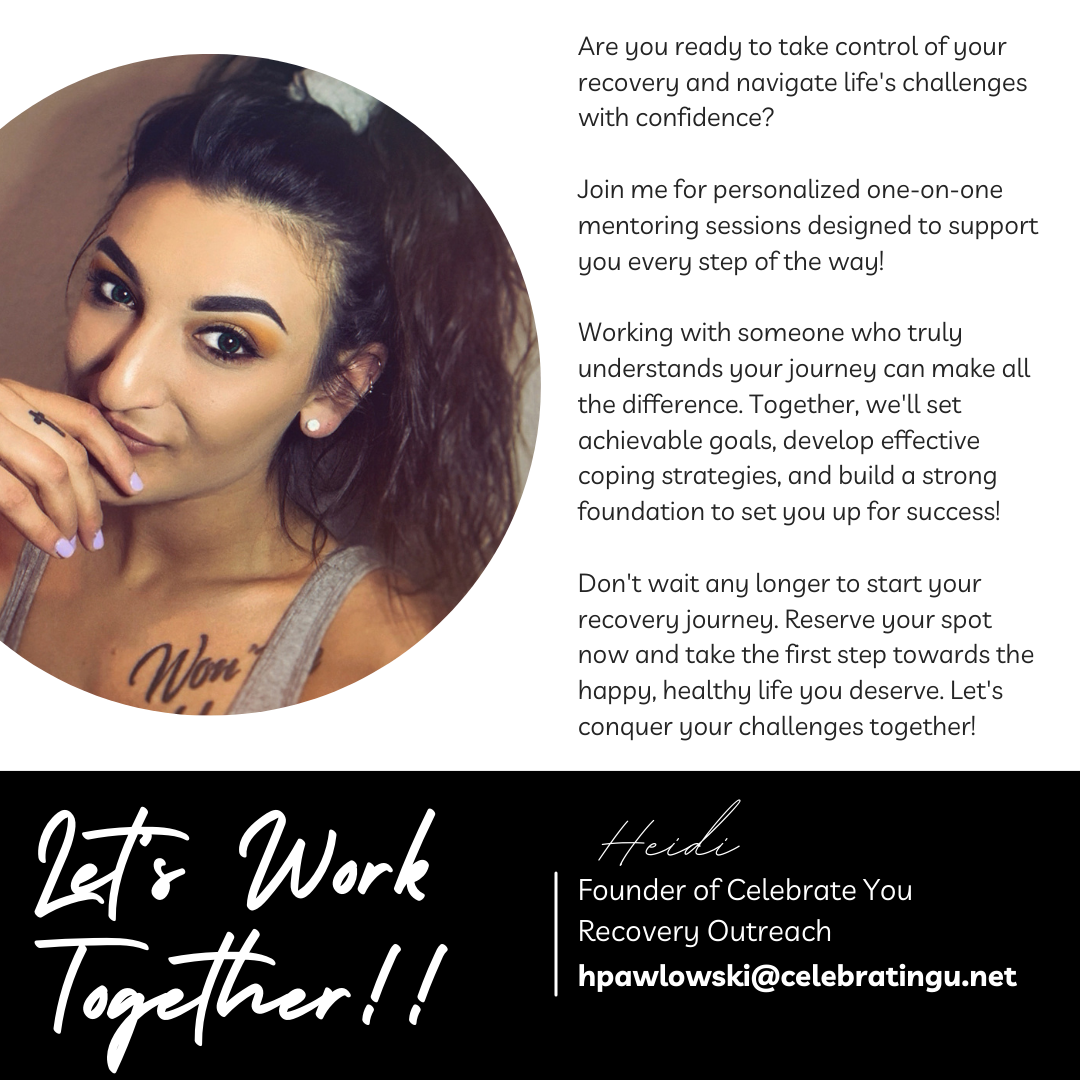
Let’s Work Together!
Our one-on-one peer mentoring sessions are designed to provide personalized, empathetic support, and guidance tailored to your unique recovery journey. These services can still be of value to you, even if you are choosing to not be on the path of absolute sobriety. Mentoring services are designed to help you rebuild your life after any hardship.
What Our Sessions Help With:
Achieving and Maintaining Sobriety: Receive practical advice, coping strategies, and emotional support to help you stay sober (If desired)
Setting and Achieving Goals: Work with your mentor to set realistic recovery goals and develop a plan to achieve them.
Overcoming Challenges: Get guidance on navigating the obstacles and triggers that arise during recovery.
Building a Support System: Learn how to build and maintain a supportive network of friends, family, and fellow recoverees.
Developing Healthy Habits: Establish routines and habits that promote a healthy, fulfilling lifestyle.
Addressing Additional Struggles Aside From Substance or Alcohol Use
What You’ll Get:
This is a one time purchase. You will receive two individual 1:1 virtual sessions with me, scheduled at your own convenience. Sessions are 45 mins - 1 hr long dependent on individual client. Sessions will be held per clients request via zoom audio, video, or phone call. 24/7 texting options available! Looking for daily support ? Or a quick check-in? Let me know and we can set it up!
Purpose and Benefits of Peer Mentoring:
The purpose behind peer mentoring is to provide support from someone who has been in your shoes. Peer mentors offer insights, encouragement, and practical advice drawn from their own experiences with addiction and recovery. This type of support can be incredibly powerful and beneficial for your sobriety, as it:
Promotes Accountability: Regular check-ins help keep you accountable to your recovery goals.
Fosters Connection: Building a relationship with someone who understands your journey can reduce feelings of isolation and loneliness.
Enhances Motivation: Seeing the progress and success of your mentor can inspire and motivate you to continue your recovery efforts.
Provides Hope: Knowing that your mentor has successfully navigated recovery can give you hope and confidence in your own ability to achieve sobriety.
Take the next step in your recovery journey today! I am so excited to get the opportunity to work with you!
Disclaimer:
Our peer mentoring services are designed to offer support, guidance, and encouragement through shared experiences in addiction recovery. However, they are not a substitute for professional or medical advice, diagnosis, or treatment. We strongly recommend that you seek the advice of your physician, therapist, or other qualified health providers with any questions you may have regarding a medical condition or mental health issue. Never disregard professional medical advice or delay seeking it because of something you have discussed with a peer mentor.