Hyper Independence: Signs, Causes, and How Trauma Can Make You Feel Like You Have to Do Everything Alone
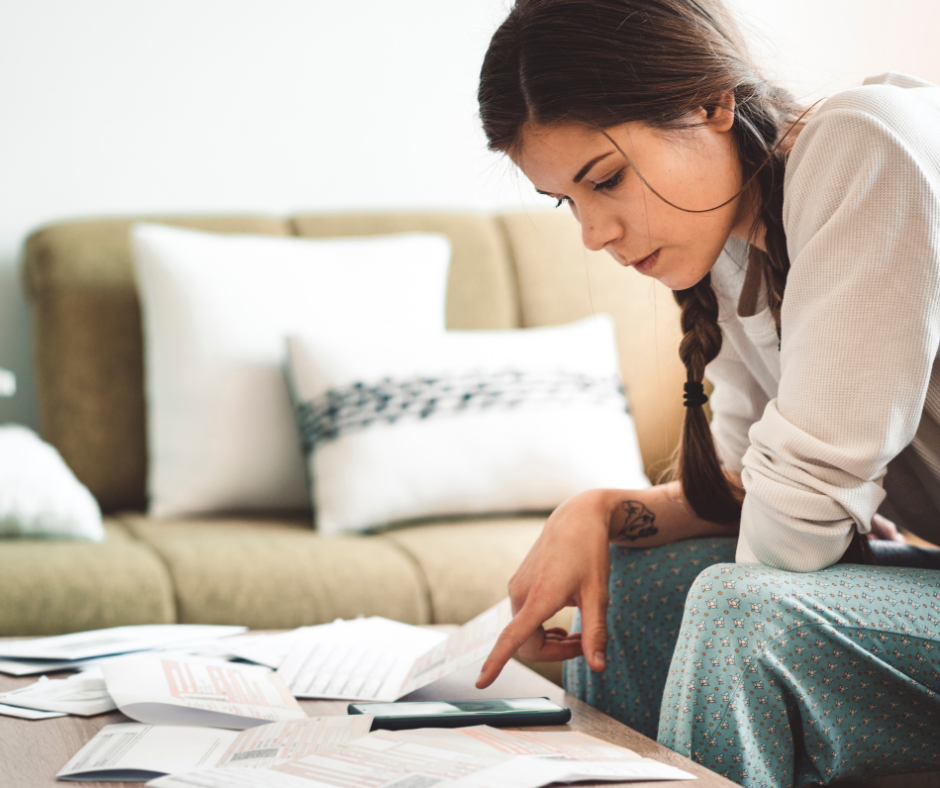
Need help? I'm good.
Need support? I'll figure it out.
Overwhelmed? I'll manage.
Hurting? Nobody needs to know.
For years, I thought this was just who I was. I considered myself strong, capable, resilient, and independent. Those things aren't bad qualities.
Somewhere along the way, independence crossed the line into something else.
Something I learned much later on to be called hyper independence - and it wasn't strength that built it…
It was fear.
Hyper independence is more than simply being self-sufficient. It’s a trauma response.
It's when relying on other people feels uncomfortable, unsafe, or even terrifying. You become convinced that you have to do everything alone because depending on someone else means risking disappointment, rejection, abandonment, or getting hurt.
On the outside, hyper-independent people often appear strong, capable, and put together. On the inside, they're exhausted.
"Don't ask for help."
"Nobody's coming."
"Handle it yourself."
"Don't be a burden."
"If you need someone, they'll eventually let you down."
Hyper independence is less of a personality trait and more of a survival strategy.
People aren't born hyper independent — they become hyper independent. Usually, it starts when emotional needs weren't consistently met.
Maybe your parents loved you, but didn't show up in the way you needed. Maybe they were emotionally unavailable. Maybe you learned early on that expressing feelings made you feel ignored, dismissed, or just too much.
Maybe you experienced abandonment, betrayal, abuse, trauma, addiction, or unstable relationships. Eventually, your brain gets conditioned to think: Nobody is going to save me. I have to save myself. While that belief may have protected you once, it can become incredibly lonely later in life.
Looking back, I realize I've become incredibly hyper independent. Growing up, I often felt like my emotional needs weren't met in the ways I needed them to be. I don't say that from a place of blame. Parents are human, and nobody gets it right all the time. But, I learned early on not to expect too much. I became emotionally independent. I stopped asking. Stopped needing. Stopped relying. And ultimately turned to drugs and alcohol.
I entered a long-term relationship with someone who, looking back now, I know for sure was an undiagnosed narcissist (I don’t use that term lightly at all). And when you've spent years loving someone, trusting someone, building a life around someone, and that all comes crashing down, something changes inside of you. You start thinking, never again.
Never again will I depend on someone. Never again will I trust someone enough to have the power to hurt me. Never again will I put myself in a position where my security depends on another person. So, I built walls. Not because I hated people, but because I didn't want to feel that pain again.
Honestly, I got really good at surviving. But, surviving and living aren't the same thing.
Hyper independence creates some strange relationship dynamics. You crave connection, but you struggle with vulnerability. You want love, but intimacy feels uncomfortable. You want support, but asking for it makes you feel weak.
You tell yourself you don't need anyone, yet secretly wish someone would understand you. People that are hyper independent often push others away. They struggle with trust. They feel uncomfortable receiving help. They feel guilty when others do things for them. They avoid emotional conversations and keep problems private. They become caretakers while neglecting themselves. They feel safer giving than receiving.
Ironically, hyper independence can create the very loneliness we fear.
Recovery has taught me something I still wrestle with — we need people. Community matters. Connection heals. Yet hyper independence makes that difficult. I hated asking for help. I never wanted my problems to become somebody else's problems. I never wanted to burden anyone.
Recovery has shown me that needing support isn't a weakness. It's human. No one gets bonus points for suffering alone. Not in sobriety. Not in life.
You may struggle with hyper independence if asking for help makes you uncomfortable, if you rarely share what you're going through, if you feel guilty receiving support, if you pride yourself on never needing anyone, if you struggle to trust others, or if you constantly tell people, I'm fine.
Maybe you isolate when you're struggling. Maybe you secretly feel lonely, even around people. Maybe you're responsible for everyone but yourself.
Hyper independence isn't all bad. It often creates people who are resourceful, hardworking, reliable, adaptable, resilient, and excellent problem solvers. Those qualities have probably helped you survive on more than one occasion. But surviving shouldn’t be the only goal. Living should be.
When hyper independence gets ignored, it can lead to burnout, loneliness, anxiety, emotional exhaustion, relationship problems, and difficulty receiving love. Especially in recovery, isolation can become dangerous.
True independence says: I know how to take care of myself.
Hyper independence says: I have to take care of myself because nobody else will.
One comes from security. The other comes from pain.
Healing doesn't mean suddenly becoming dependent on everyone around you. It doesn't mean spilling your life story to strangers or expecting other people to rescue you.
It means learning that it's okay to ask for help sometimes. It means accepting support without guilt. It means challenging the belief that you're a burden. It means allowing safe people into your life and understanding that vulnerability and weakness are not the same thing.
Especially when it comes to recovery and if you’re on a sobriety journey — community matters. Whether it's therapy, support groups, faith communities, trusted friends, family, or peer support, healing often happens in relationships.
For years, I thought my “independence” was one of my greatest strengths. And maybe parts of it are. It made me resilient. I've also learned that healing isn't about proving you don't need anyone. It's about learning that you never had to carry everything alone in the first place.
I'm still working on this. I still say, I've got it when I'm overwhelmed. I still struggle with asking for help some days. But, I'm learning something that younger versions of me desperately needed to hear.
Strong people need support too.
Real strength isn't doing everything alone.
Real strength is trusting that you don't have to.